
Preparing your body may help fenbendazole work more effectively. When combined with a nutritious, therapeutic diet, fenbendazole has shown promising anti-tumor activity in preclinical research while generally demonstrating low toxicity in those studies.
In addition to dietary changes, many people choose to include supplements that may help support overall health during cancer treatment. Some individuals who have self-administered fenbendazole report that these supplements helped them better manage treatment-related challenges and supported their overall well-being. The following are examples of supplements commonly reported by cancer patients who used them alongside fenbendazole.
Correction
This article has been corrected. The use of the term aspirin in place of salicylic acid was incorrect and has been corrected.
The salicylic acid discussed in the paper below refers specifically to a fenbendazole–salicylic acid cocrystal, or salicylic acid cocrystal. This is a laboratory-produced product.
Salicylic Acid
Salicylic acid would also be an excellent vehicle to improve the drug release rate of fenbendazole. Fenbendazole-salicylic acid performed exceptionally well, achieving a 100% drug release rate in under 1 hour and a 1.052 mg/ml solubility. This significant improvement in drug release rate could offer immediate therapeutic action. The enhancement in solubility is suggested to be due to intermolecular interactions such as carboxylic-carboxylic or carboxylic-amino groups forming hydrogen bonds.
*Oral Fenbendazole for Cancer Therapy in Humans and Animals
JOLIE NGUYEN, THAI Q. NGUYEN, BO HAN and BA X. HOANG Anticancer Research September 2024, 44 (9) 3725-3735; DOI: https://doi.org/10.21873/anticanres.17197
Improved dissolution profiles from their in vitro dissolution experiments further support increased Fenbendazole’s oral bioavailability among the three Fenbendazole carbamates reported. The cocrystal of fenbendazole and salicylic acid performed well. Salicylic acid cocrystals showed up to 100% drug release in under an hour, compared to only 81% for pure FBZ.
Priyanka, Dr & Ramya, T. (2023). COCRYSTALS OF FENBENDAZOLE WITH ENHANCED IN VITRO DISSOLUTION PERFORMANCE. 12. 9506-9061. 10.31838/ecb/2023.12.Si8.826.
Fenbendazole (FBZ) cocrystals, particularly with salicylic acid, cinnamic acid, or benzoic acid, prepared via liquid-assisted grinding (LAG), significantly improve the dissolution rate of the poorly water-soluble anthelmintic drug. Studies showed that salicylic acid cocrystals increased FBZ dissolution.
Cancer survivors who took Fenbenzadole report that other supplements should be circulating in your body for the Fenbenzadole to be effective.
Curcumin/Turmeric
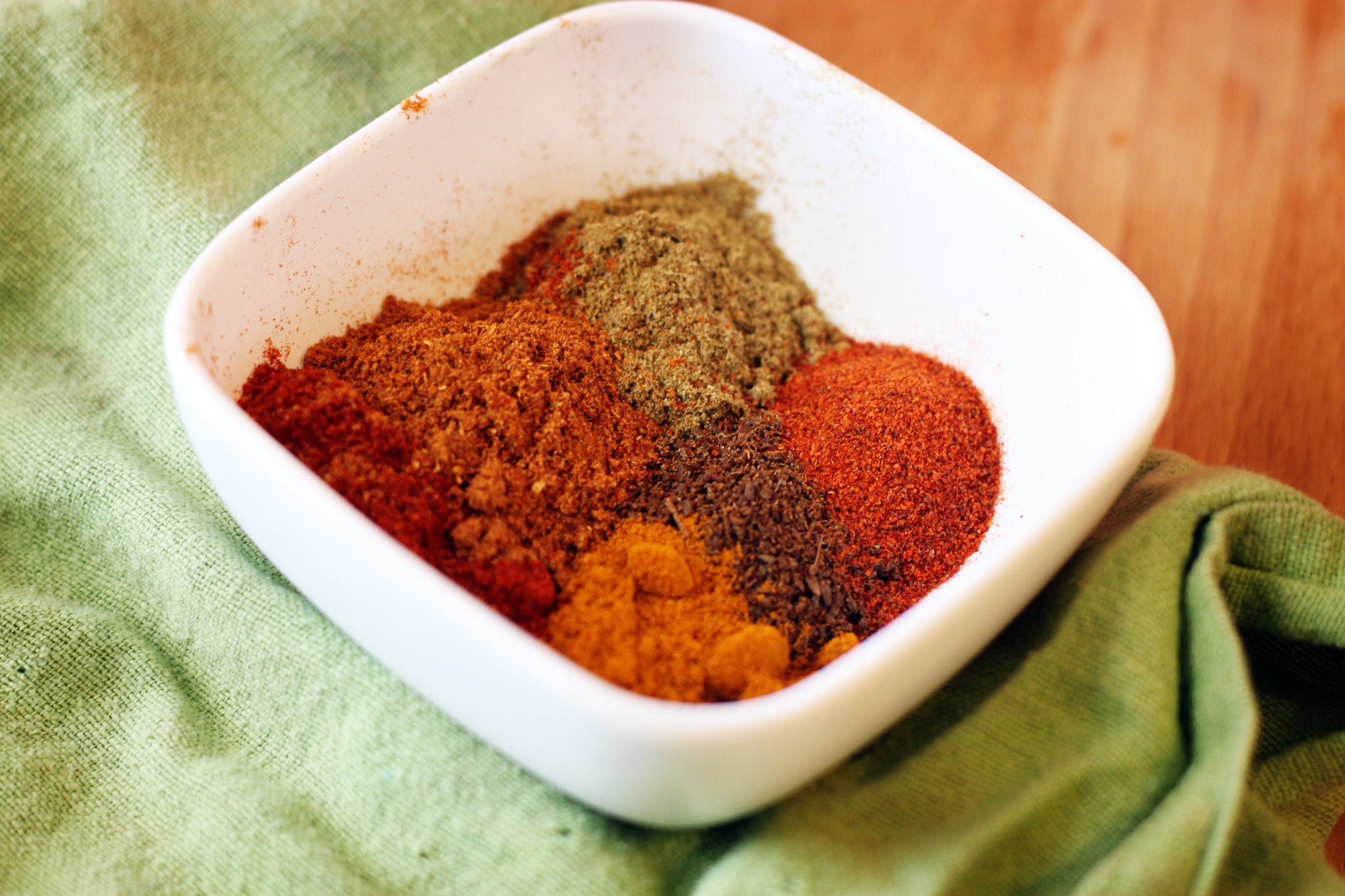
Turmeric is a deep, golden-orange spice known for adding color, flavor, and nutrition to foods. A relative of ginger, turmeric comes from the rhizome (root) of a native Asian plant and has been used in cooking for hundreds of years. It has also been used in Ayurvedic and other traditional medicines in China and India.
Turmeric Benefits
*https://www.hopkinsmedicine.org/health/wellness-and-prevention/turmeric-benefits
Curcumin can be administered as turmeric, concentrates of turmeric, essentially pure (95%) curcuminoids, or curcumin alone. Unfortunately, all of these discrete, disparate entities have been called “curcumin”, causing much confusion in the literature. Curcumin exhibits a wide range of beneficial effects, including anti-inflammatory, antioxidant, chemoprotective, tissue-protective, antibacterial, antifungal, antiviral, metabolism-regulating, immunomodulating, antineoplastic, and antidepressant properties.
* https://pmc.ncbi.nlm.nih.gov/articles/PMC7144558/
Stohs SJ, Chen O, Ray SD, Ji J, Bucci LR, Preuss HG. Highly Bioavailable Forms of Curcumin and Promising Avenues for Curcumin-Based Research and Application: A Review. Molecules. 2020;25(6):1397. Published 2020 Mar 19. doi:10.3390/molecules25061397
Curcumin and turmeric aren't two parallel things. Curcumin is one of the curcuminoids that make up roughly 2–5% of turmeric powder. The rest of the spice is starch, fiber, water-soluble compounds, and volatile oils. Curcumin is poorly water-soluble and absorbs better when taken with a meal — though formulation matters more than fat content. Turmeric absorbs best when paired with healthy fats (like olive oil or avocado) and black pepper (which contains piperine).
Curcumin, from the spice turmeric, exhibits anti-inflammatory, antioxidant, anticancer, antiviral, and neurotrophic activity and therefore holds promise as a therapeutic agent to prevent and treat several disorders.
https://www.sciencedirect.com/science/article/pii/S2161831322008353
Lopresti AL. The Problem of Curcumin and Its Bioavailability: Could Its Gastrointestinal Influence Contribute to Its Overall Health-Enhancing Effects?. Adv Nutr. 2018;9(1):41-50. doi:10.1093/advances/nmx011
Curcumin is an oil-soluble compound, practically insoluble at room temperature in water at acidic and neutral pH. While it is soluble in alkali, it is very susceptible to auto-degradation. …
Therefore, various formulations have been developed to enhance solubility or dispersibility with the goal of enhancing bioavailability and consequent bio-efficacy.
Stohs SJ, Chen O, Ray SD, Ji J, Bucci LR, Preuss HG. Highly Bioavailable Forms of Curcumin and Promising Avenues for Curcumin-Based Research and Application: A Review. Molecules. 2020;25(6):1397. Published 2020 Mar 19. doi:10.3390/molecules25061397
https://pmc.ncbi.nlm.nih.gov/articles/PMC7144558/
Therefore, various formulations have been developed to enhance solubility or dispersibility with the goal of enhancing bioavailability and consequent bio-efficacy. The reported delivery systems for curcumin include micelles, liposomes, phospholipid complexes, microemulsions, nano-emulsions, emulsions, solid lipid nanoparticles, nanostructured lipid carriers, biopolymer nanoparticles and microgels. They not only enhance efficacy, but also increase curcumin bioavailability by optimal permeation in the small intestine and preventing possible degradation in the gastrointestinal tract.
Combining the spice with black pepper may help increase your body’s ability to absorb turmeric’s beneficial compounds. A substance in black pepper called piperine, when combined with curcumin, has been shown to increase bioavailability by 2000%.
Curcumin: Improving Absorption
Once curcumin is absorbed, it is rapidly metabolized in the intestinal wall and liver, then quickly eliminated from the body. To improve absorption and slow this process, many supplements include piperine (black pepper extract), which helps inhibit curcumin’s metabolism.
Piperine, a natural compound found in black pepper. A standardized black pepper extract known as BioPerine®, which contains 95% piperine, has been shown to increase the absorption of curcumin and several other nutrients.
Other formulas use advanced delivery systems such as phytosome, micellar, or nanoparticle formulations to enhance absorption. Some of these water-dispersible formulations do not require fat for effective absorption, so it’s best to check the product label rather than assume.
While shopping for curcumin, you may also encounter products labeled Curcumin Phytosome or Meriva®. These formulations bind curcumin to phospholipids, which are intended to improve absorption compared to standard curcumin extracts. Another option is liposomal curcumin, which encapsulates curcumin inside microscopic lipid spheres that resemble cell membranes. This delivery method is also believed to improve bioavailability.
Liquid curcumin preparations are another alternative and are generally considered easier to digest and absorb than powdered turmeric extracts. They are often more expensive than capsules, however. I have personally used curcumin capsules for years, while many individuals who self-administer fenbendazole report using powdered curcumin together with black pepper extract.
A commonly reported protocol is to take four 500 to 600 mg curcumin capsules daily with a source of dietary fat. Curcumin should always be taken with food to help maximize absorption.
https://mycancerstory.rocks/81-2/
In one clinical trial conducted at Johns Hopkins, researchers reported no significant toxicity or other serious adverse effects in participants taking 200 mg of curcumin per day.
How Fenbendazole May Work Against Cancer
Researchers believe fenbendazole may affect cancer cells through several complementary mechanisms.
First, fenbendazole binds to tubulin, a structural protein that forms microtubules within every living cell. These microscopic structures help maintain cell shape, transport nutrients and waste products, and play an essential role during cell division.
When fenbendazole binds to tubulin, it disrupts the normal function of the microtubule network. In parasitic worms, this interference blocks glucose uptake and prevents the movement of nutrients and waste products within the cells. Deprived of energy, the parasites become immobilized and eventually die or are expelled from the body.
Cancer cells also rely heavily on glucose to fuel their rapid growth and division. By disrupting the microtubule network in cancer cells, fenbendazole may reduce their ability to transport nutrients, interfere with cell division, and limit their energy supply.
Second, laboratory studies suggest that fenbendazole may further reduce glucose uptake by downregulating GLUT transporters, the proteins responsible for transporting glucose across cell membranes.
Third, some research indicates that fenbendazole may increase the activity of the body’s natural killer (NK) cells when functioning p53 tumor suppressor pathways are present, potentially enhancing the immune system’s ability to recognize and destroy cancer cells.
Fourth, fenbendazole has been reported to exhibit kinase-inhibiting activity. This action may interfere with the formation of new blood vessels that tumors require for continued growth, a process known as angiogenesis.
These potential anticancer mechanisms have been recognized for many years. At least one early study published in 2002 described several of these biological effects, laying the foundation for much of the research that followed.
These anticancer properties are not new. They were documented years ago. There is at least one early study, published in 2002, which detailed these effects.
Mukhopadhyay T, Sasaki J, Ramesh R, Roth JA. Mebendazole elicits a potent antitumor effect on human cancer cell lines both in vitro and in vivo. Clin Cancer Res. 2002;8(9):2963-2969.
Please remember, this is not medical advice, and I am not a doctor. Consult your doctor before taking any product that may interfere with your health.