
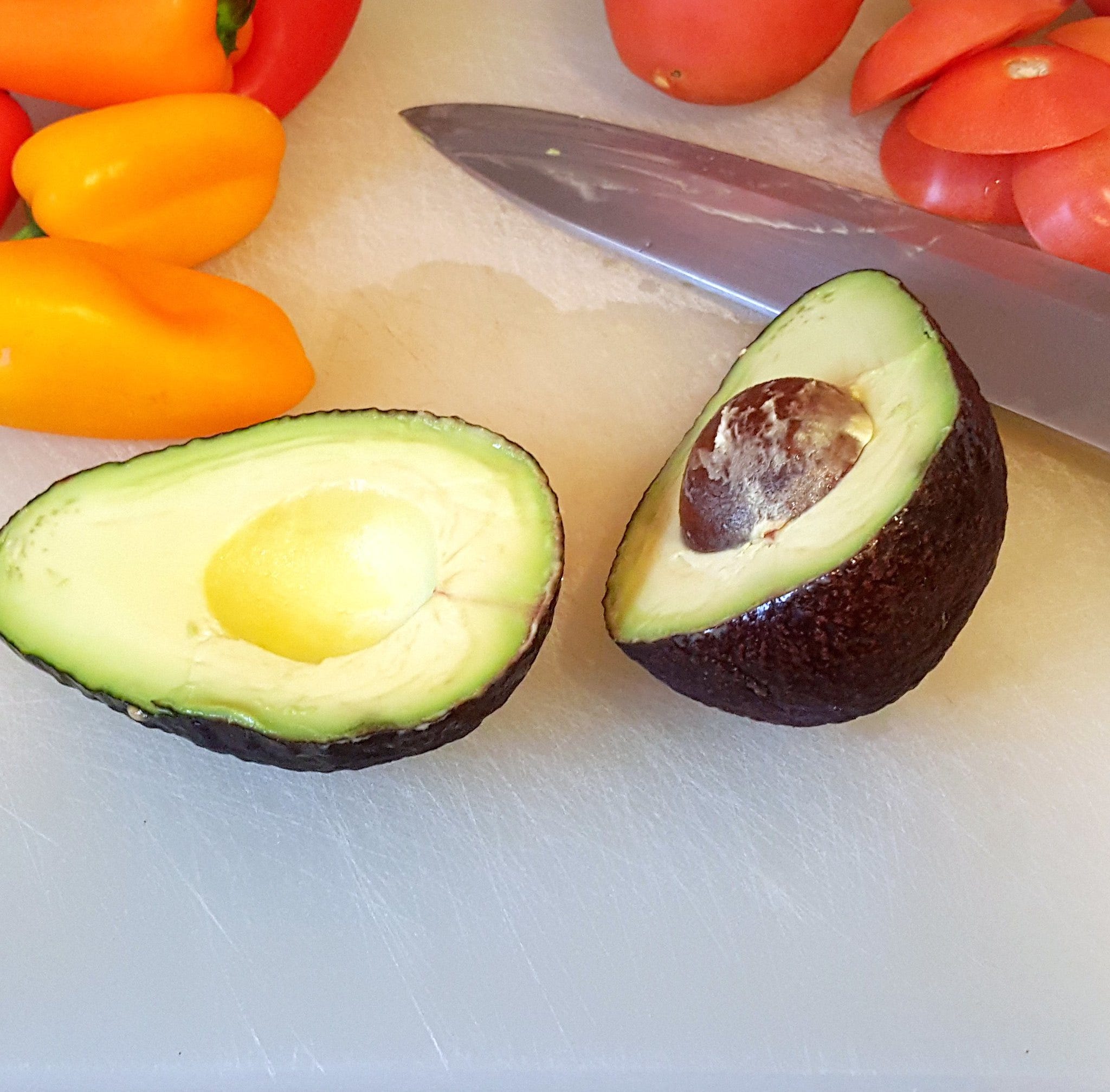
The significant improvement in drug bioavailability when taken with a fatty meal is a critical pharmacokinetic concept, especially for highly lipophilic (fat-soluble) compounds like the benzimidazole class. Because these drugs fall under BCS Class II (low aqueous solubility but high intestinal permeability), they struggle to dissolve in the watery gastrointestinal environment, resulting in very poor absorption under fasted conditions.
Co-administration with dietary fat overcomes this physical barrier in several key ways:
1. Dissolution of Fat-Soluble Compounds
As lipophilic substances, drugs like mebendazole, albendazole, and fenbendazole physically require dietary lipids to dissolve so they can be transported across the intestinal membranes into systemic circulation. Without dietary fat, most of the administered dose remains undissolved in the gut and is excreted. A high-fat meal acts like a micro-emulsifying delivery system, increasing the drug's lipid solubility and maximizing therapeutic absorption.
2. Quantitative Absorption Boosts Across Compounds
The exact impact of a high-fat diet varies by compound, but the boost in therapeutic exposure is highly significant:
Albendazole (ABZ): In a fasted state, human gastrointestinal absorption of albendazole is exceptionally low—typically less than 1% to 5%. Taking albendazole with a fatty meal increases its absorption up to 5-fold to 6.5-fold in humans and animals.
Mebendazole (MBZ): Mebendazole’s baseline oral bioavailability in humans is only about 5% to 10% (or up to 17% to 20% depending on the specific formulation). Administering mebendazole with a high-fat meal increases its absorption more than 5-fold. In oncological protocols, taking mebendazole with dietary fat is considered non-optional, as it directly determines whether the drug reaches the systemic, tumor-fighting concentrations required in the bloodstream1.
Oxfendazole (OFZ): When co-administered with a high-fat meal, oxfendazole exhibits an increase in its peak plasma concentration by 49% and its overall systemic drug exposure (Area Under the Curve, or AUC) by 86%.
Fenbendazole (FBZ): Preclinical models likewise confirm that administering fenbendazole with food significantly improves its overall intestinal absorption and tissue uptake.
Ultimately, utilizing dietary fat is one of the simplest and most effective clinical methods to prevent these lipophilic repurposed compounds from being wasted in the digestive tract, ensuring they reach active therapeutic levels in the blood.
Sources:
Oral Fenbendazole for Cancer Therapy in Humans and Animals
ANTICANCER RESEARCH 44: 3725-3735 (2024) doi:10.21873/anticanres.17197
Repurposing of Benzimidazole Anthelmintic Drugs as Cancer Therapeutics
Cancers 2022, 14, 4601. https://doi.org/10.3390/cancers14194601
Why Everything You’ve Been Told About Cancer May Be Wrong — And What the Science Actually Shows
Apr 30, 2026 | Adjunctive Cancer Care