
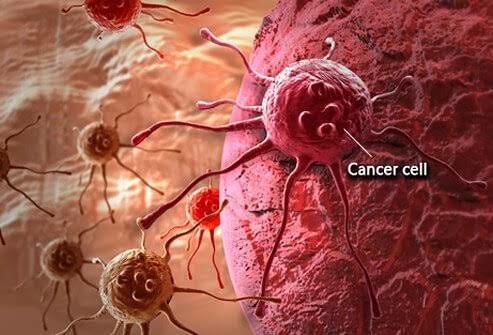
Mebendazole (MBZ) is an FDA-approved antiparasitic agent with an established five-decade safety profile that is being actively repurposed for cancer therapy.
1. Antitumor Spectrum & Clinical Evidence
Broad Malignancy Spectrum: Preclinical and clinical studies demonstrate mebendazole’s antitumor efficacy across a diverse array of cancers, including head and neck squamous cell carcinoma (HNSCC), glioblastoma, non-small cell lung cancer (NSCLC), colorectal cancer, melanoma, ovarian cancer, acute myeloid leukemia, adrenocortical carcinoma, medulloblastoma, and breast cancer.
Clinical Trial & Observational Findings: Evaluation of mebendazole includes a randomized controlled trial in stage IV metastatic colorectal cancer showing improved overall response rates at 12 weeks, Phase 1/2 trials in recurrent glioblastoma, and clinical case series documenting extended survival in advanced stage IV malignancies.
2. In Vitro Potency & Anti-Proliferative Activity
Superior Potency over Standard Chemotherapy: In HNSCC cell lines (CAL27 and SCC15), mebendazole exhibits significantly higher anti-proliferative activity than the frontline chemotherapeutic agent cisplatin.
Quantitative Potency (IC₅₀): Quantitative WST-1 proliferation assays establish IC₅₀ values of 1.28 µM in CAL27 cells and 2.64 µM in SCC15 cells.
Cell Cycle Arrest & Apoptosis: MBZ suppresses cell cycle progression by causing cell accumulation in the sub-G₀/G₁ phase, triggers dose-dependent apoptotic cell death, and inhibits cancer cell migration and wound closure.
3. Key Molecular Mechanisms
Tubulin Depolymerization & Microtubule Targeting: Mebendazole acts as a microtubule-destabilizing agent, depolymerizing tubulin and disrupting mitotic spindle formation to induce cell-cycle arrest and apoptosis.
Terminal Differentiation & Keratinization: Beyond direct cell killing, mebendazole forces aggressive cancer cells into a mature, non-proliferative state. In CAL27 xenograft tumor models, mebendazole treatment induces extensive tumor keratinization, significantly reduces expression of the proliferation marker PCNA, and upregulates key keratinocyte differentiation markers (KRT8, KRT14, KRT18, KRT19, RARα, and RARγ).
Oncogenic Pathway Regulation: Mebendazole modulates critical cancer-associated signaling pathways, including ELK1/SRF, AP1, STAT1/2, and MYC/MAX. The regulatory outcome is context-dependent, showing feedback upregulation in CAL27 cells versus suppression in SCC15 cells.
Multi-Target Signaling & Immune Effects: MBZ suppresses Wnt/β-catenin signaling (by reducing nuclear transport of β-catenin), inhibits Hedgehog signaling and tumor angiogenesis, and induces pro-inflammatory (M1) monocyte/macrophage activation via ERK1/2 and TLR8-dependent inflammasome activation.
4. Chemosensitization & Synergy
Synergy with Cisplatin: Combining mebendazole with lower doses of cisplatin produces quantitative synergy (Chou–Talalay Combination Index CI < 1) in suppressing proliferation and enhancing apoptotic cascades in HNSCC.
Chemo- & Radiosensitization: Preclinical evidence demonstrates that mebendazole sensitizes cancer cells to radiation therapy and standard chemotherapeutics across multiple tumor types.
Drug Repurposing in Oncology: A Systematic Review of Randomized Controlled Clinical Trials
Ioakeim-Skoufa I, Tobajas-Ramos N, Menditto E, Aza-Pascual-Salcedo M, Gimeno-Miguel A, Orlando V, González-Rubio F, Fanlo-Villacampa A, Lasala-Aza C, Ostasz E, Vicente-Romero J. Drug Repurposing in Oncology: A Systematic Review of Randomized Controlled Clinical Trials. Cancers (Basel). 2023 May 30;15(11):2972. doi: 10.3390/cancers15112972
Under all articles, the source is listed:
Drug Repurposing in Oncology: A Systematic Review of Randomized Controlled Clinical Trials
Ioakeim-Skoufa I, Tobajas-Ramos N, Menditto E, Aza-Pascual-Salcedo M, Gimeno-Miguel A, Orlando V, González-Rubio F, Fanlo-Villacampa A, Lasala-Aza C, Ostasz E, Vicente-Romero J. Drug Repurposing in Oncology: A Systematic Review of Randomized Controlled Clinical Trials. Cancers (Basel). 2023 May 30;15(11):2972. doi: 10.3390/cancers15112972
https://pubmed.ncbi.nlm.nih.gov/37296934/
Do not say where it was published?