
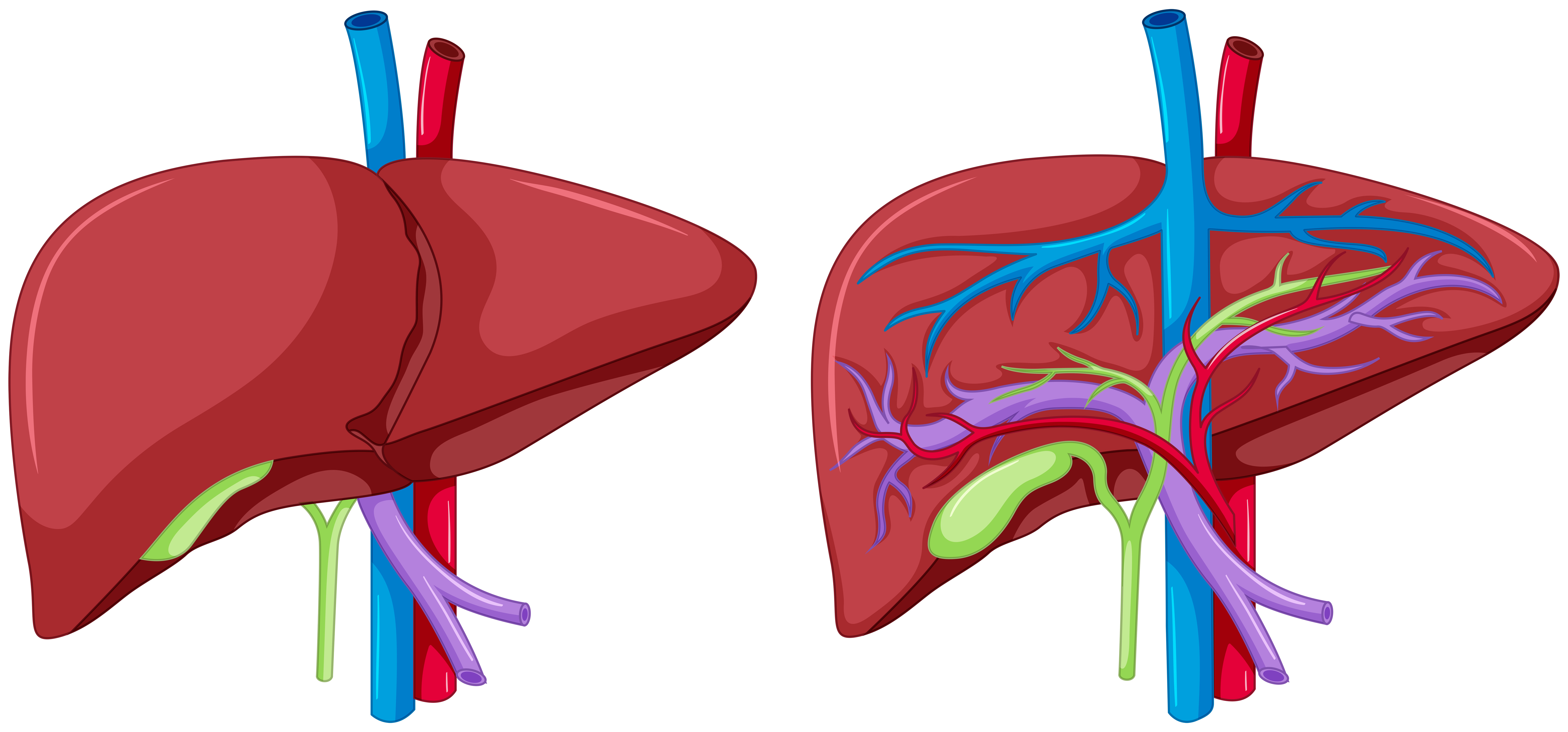
Despite the MSM’s incessant claim that “there have been many cases of Fenbendazole poisoning….”, the only side effect self-administered fenbendazole users have reported is a strain on the liver.
Milk Thistle
Milk thistle’s medicinal activity comes mainly from silymarin, a complex of flavonolignans (silybin/silibinin, silydianin, silychristin). Silymarin is lipophilic (fat-loving) and has low solubility in water. What that means is that the active ingredient in milk thistle is not water-soluble; it is fat-soluble.
There are new products widely available, for a few more dollars, that deliver enhanced absorption to promote liver health. One of these available online is Milk Thistle Phytosome from https://www.thorne.com/. Thorne uses a phytosome form, which means the milk thistle is bound to phospholipids so your body can actually absorb and utilize it effectively. Milk Thistle Phytosome combines silybin, a milk thistle flavonoid, with sunflower phospholipids for enhanced absorption, to promote liver function and protect against free radicals. It’s available on Amazon.
So, capsules with extractions of the active ingredient are better than powder or tea, and take it with food.
Take 250 mg of milk thistle twice daily with food, once in the morning and once in the evening.
Regular check-ups (once every 1-3 months) allow you to assess the effectiveness of the therapy and your health.
Take liver tests before and during fenbendazole therapy to determine if a three- to six-week break is needed. Consistently monitor liver function (AST/ALT). If results are 2-3 times the norm or higher, discontinue therapy. Regular breaks, milk thistle, or silymarin can help prevent this.
Medical journals also report the same issue in some cases. Care should be taken to monitor liver function, and liver-supporting supplements should be taken. Supplements reported to support liver function are listed here. Don’t stop here; Google “liver fenbendazole” and find out more.
Anthelmintics associated with hepatotoxicity include the benzimidazoles such as thiabendazole (now withdrawn), mebendazole and albendazole, which have been linked to rare instances of cholestatic liver injury but which can be severe and prolonged. The other anthelmintics appear to have little hepatotoxic potential. In most instances, these agents are given for a short period only, and many are not absorbed to a major extent.
…
Mebendazole, when given for prolonged periods in high doses, has been associated with elevations in serum enzyme levels, and rare instances of acute, clinically apparent liver injury have been linked to its use.
LiverTox: Clinical and Research Information on Drug-Induced Liver Injury [Internet]. Bethesda (MD): National Institute of Diabetes and Digestive and Kidney Diseases; 2012-. Anthelmintic Agents. [Updated 2021 Sep 24]. Available from:
*https://www.ncbi.nlm.nih.gov/books/NBK548602/
Tudca
Tauroursodeoxycholic acid (TUDCA) is a water-soluble bile acid naturally found in small amounts in the body. It supports liver health, helps manage liver disease, aids in fat digestion, and may help protect against neurodegenerative conditions. It is known for its strong cytoprotective, anti-apoptotic, and chaperone effects, aiding in fat digestion and potentially protecting against neurodegenerative conditions. Those persons using the fenbendazole protocol reported success using Tudca on a daily basis.
Vitamin E
Combining vitamins and fenbendazole is being studied as a potential low-toxicity cancer therapy.
Vitamins A and E possess antioxidant properties, making them effective against tumor cells. Building on this, in 2011, researchers demonstrated that fenbendazole and vitamin E succinate synergistically inhibit prostate cancer cell growth by inducing apoptosis and cell cycle arrest. Specifically, vitamin E succinate suppresses androgen receptor expression, and fenbendazole disrupts microtubule formation.
The key synergy between vitamin E succinate and fenbendazole results from their complementary mechanisms: vitamin E succinate lowers androgen receptor expression, while fenbendazole disrupts microtubule formation. According to medical papers from respected parties, together, these actions more effectively target tumor growth, offering potential as a low-toxicity alternative to traditional cancer therapies.
Aycock-Williams, Ari & Pham, Linda & Liang, Mengmeng & Adisetiyo, Helty & Geary, Lauren & Cohen, Michael & Casebolt, Donald & Roy-Burman, Pradip. (2011). Effects of fenbendazole and vitamin E succinate on the growth and survival of prostate cancer cells. Journal of Cancer Research and Experimental Oncology. 3. 10.5897/JCREO11.047.