
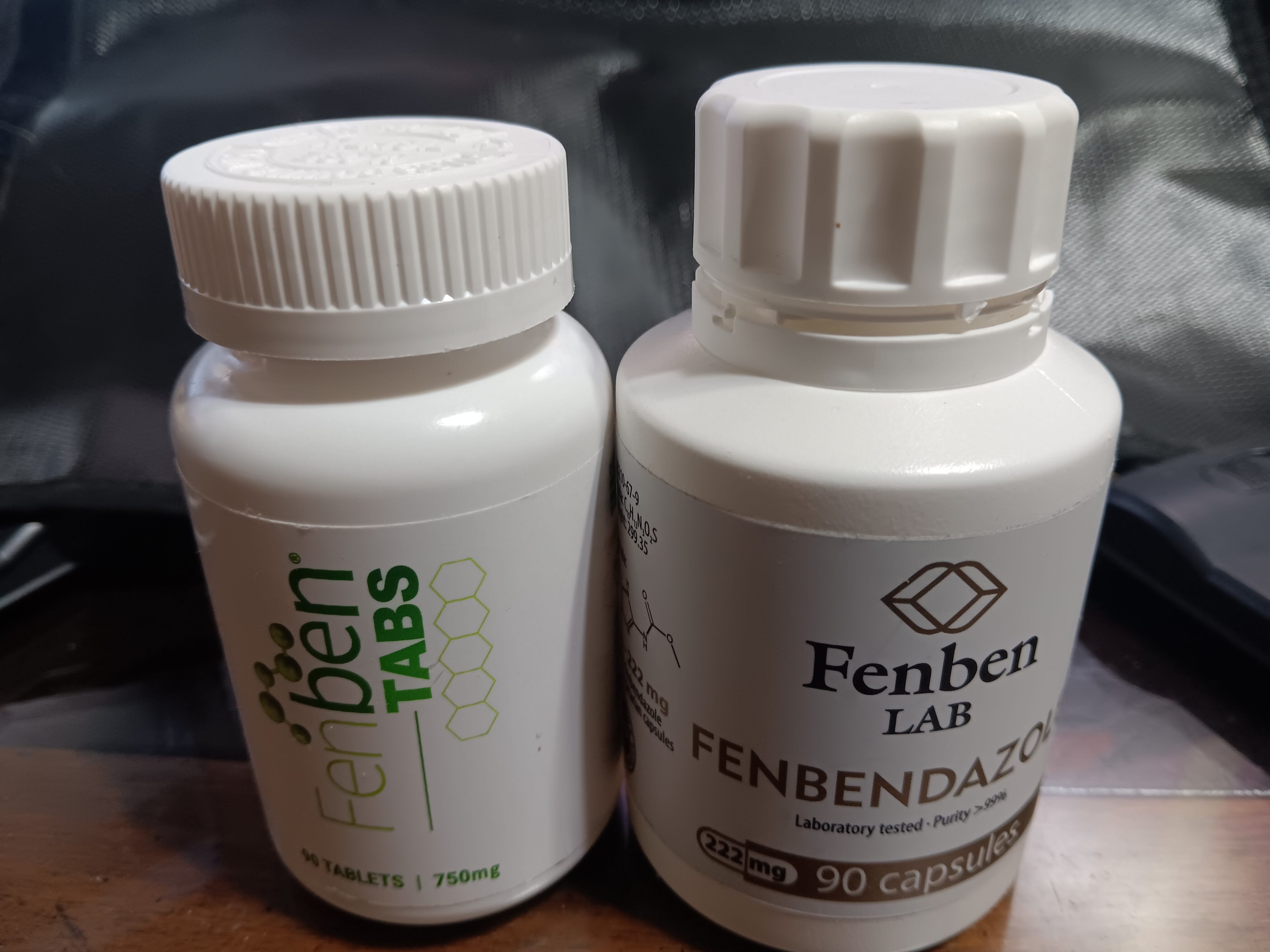
Based on the selected case series from the Medical Advisor (https://www.onedaymd.com/2025/04/fenbendazole-ivermectin-prostate-cancer.html), prostate cancer is estimated to account for 333,830 new cases and 36,320 deaths in the U.S. in 2026. Advanced stages often involve metastatic hormone-sensitive prostate cancer (mHSPC) or metastatic castration-resistant prostate cancer (mCRPC). Standard androgen deprivation therapies (ADT)—such as leuprolide, apalutamide, enzalutamide, and abiraterone—are widely used, though leuprolide carries risks of bone demineralization (up to 11% per year), and disease progression often occurs because of resistance mechanisms like AR-V7 mutations.
Key Findings from Repurposed Antiparasitic Protocols
The source evaluates a compilation of 130 case reports (2024–2026) investigating off-label antiparasitic drugs—primarily fenbendazole (FBZ), ivermectin (IVM), and mebendazole (MBZ)—as adjunctive treatments:
Common Regimens & Dose Dependency:
Dual IVM + FBZ: Typically combines ivermectin (1–1.5 mg/kg/day) with fenbendazole (888–2,000 mg/day), often alongside adjuncts like CBD oil, curcumin, or ketogenic diets.
Fixed-Dose IVM + MBZ: Analyzed in a cohort of 55 prostate cancer patients using fixed-dose capsules (25 mg IVM + 250 mg MBZ, up to 4 capsules daily).
Dose Escalation Signal: Multiple reports document treatment failure at the standard 222–444 mg/day fenbendazole dose, with subsequent response observed only after escalating to 888–2,000 mg/day.
Observed Clinical Responses:
PSA Crashes: Rapid reductions in prostate-specific antigen (e.g., drops from 2,093 to 39, or 948 to 1.4) over 3–6 months.
Bone Metastasis Resolution: Resolution of bone lesions on PSMA PET/CT and bone scans, particularly in Stage 4 bone-dominant disease.
Gleason Downgrading: Rare instances of pathological Gleason score reductions on repeat biopsy or post-prostatectomy surgical specimens (e.g., Gleason 8 to 7, or 7 to 6).
Circulating Biomarkers: Documented reductions in circulating tumor cells (CTC, up to 90%) and post-treatment ctDNA negativity.
Critical Methodological Limitations & Analytical Cautions
While these observational reports indicate potential biological signals, researchers emphasize that causal conclusions cannot be drawn due to major study limitations:
ADT Confounding: Approximately 70–80% of patients were receiving standard ADT (e.g., leuprolide, enzalutamide, abiraterone) simultaneously, making it impossible to separate the therapeutic effect of the repurposed drugs from standard hormonal therapy.
Genomic Data Gap: The case series lacks baseline genomic characterization (such as AR-V7 status, HRR gene panel mutations, or PTEN loss) required for modern precision oncology.
Selection & Reporting Bias: Heavy reliance on social media testimonials creates strong positive publication bias, with no known enrollment denominator or blinded radiologist verification.
Safety Monitoring: Unmonitored administration carries safety risks, including transient liver enzyme (AST/ALT) spikes requiring clinical liver function monitoring.
Researchers conclude that randomized controlled trials (RCTs) incorporating molecular profiling, defined denominators, and blinded outcome assessments are urgently required to establish safety and efficacy.
Dosing Protocols
Based on the selected case series, the self-administered dosing protocols for repurposed antiparasitic medications (fenbendazole, ivermectin, and mebendazole) are categorized into several specific treatment regimens:
1. Primary Treatment Regimens & Dosages
Dual Fenbendazole + Ivermectin (R3): The most common protocol among individually reported cases (frequently described as a Makis-style protocol):
Fenbendazole (FBZ): 888 to 2,000 mg/day.
Ivermectin (IVM): 1 to 1.5 mg/kg/day.
Common Adjuncts: CBD oil (100 mg/day) and modified citrus pectin (MCP, 15 g/day).
Fixed-Dose Ivermectin + Mebendazole (R4): Predominantly used in the Hulscher et al. cohort:
Composition: Compounded capsules containing 25 mg Ivermectin + 250 mg Mebendazole per capsule.
Frequency: Up to 4 capsules per day.
Fenbendazole Monotherapy (R1):
FBZ Dosage: 222 to 444 mg/day.
Common Adjuncts: Ketogenic diet, high-dose intravenous (IV) vitamin C, melatonin, and berberine.
Ivermectin Monotherapy (R2):
IVM Dosage: 12 to 60 mg/day (escalated over time).
Triple / Novel Biological Combinations (R5):
FBZ Dosage: 1,000 to 1,500 mg/day.
IVM Dosage: 1 mg/kg/day.
Combined Therapies: Paired with targeted agents or novel biologicals, such as Pluvicto (lutetium-177), IV mistletoe, or MCP.
2. Structured Orthomolecular Protocol
15-Week Supervised Protocol (Pierrick Martinez Protocol): A structured 15-week protocol combining fenbendazole, ivermectin, a therapeutic ketogenic diet, and high-dose IV vitamin C (50 to 75 grams, three times per week).
3. Key Dosing & Escalation Patterns
Dose-Dependent Fenbendazole Response: Multiple case reports documented treatment failure or rising PSA levels at the standard Joe Tippens Protocol dose of 222–444 mg/day. Major clinical responses (including PSA crashes and bone scan resolutions) occurred only after escalating the fenbendazole dose to 888–2,000 mg/day.
Response Kinetics: Higher fenbendazole doses correlated with significantly faster PSA normalization in aggressive Gleason 9 cases (e.g., major PSA reductions within 2–4 months at higher doses versus 6–12 months at lower doses).