
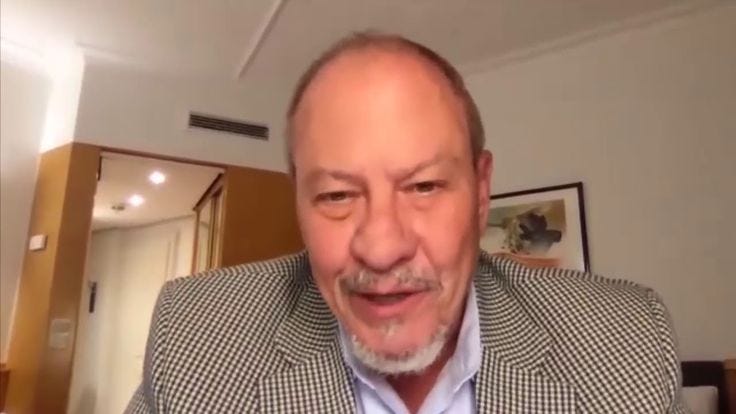
Joe Tippens’ case in August 2016, where he experienced a complete recovery from late-stage small-cell lung cancer after self-administering 222 mg of veterinary fenbendazole alongside vitamin E, CBD oil, and curcumin, became a global catalyst that transformed fenbendazole (FZ) from a simple veterinary dewormer into an active subject of human cancer research. While his case remains an anecdotal report, his recovery—especially as the only cured patient among 1,100 clinical trial participants—profoundly shifted subsequent scientific inquiry:
1. Spurring Advanced Solubility and Bioavailability Research
Tippens’ reliance on oral administration highlighted a major biopharmaceutical bottleneck: fenbendazole is a BCS Class II drug with extremely low water solubility of about 0.3 \(\mu\)g/mL. Because raw FZ dissolves poorly and struggles to reach systemic therapeutic concentrations in vivo, this story spurred researchers to evaluate advanced pharmaceutical delivery vehicles to maximize its clinical viability. This led directly to research evaluating:
Methyl-\(\beta\)-cyclodextrin Complexes: Complexing FZ at a 1:1 ratio, which boosts water solubility 60,000-fold (to 20.21 mg/mL) and increases the 15-minute drug release rate from 5% to 75%.
Organic Acid Cocrystals: Engineering FZ cocrystals with salicylic, benzoic, or cinnamic acids to form intermolecular hydrogen bonds, achieving a 100% drug release rate in under an hour.
Polymeric Micelles & PLGA Nanoparticles: Encapsulating FZ in PLGA nanoparticles or low-toxicity Soluplus® micelles to allow gradual, sustained release in tumor tissue.
2. Revealing Clinical Safety Gaps and Hepatotoxicity
Tippens’ case inspired a large wave of self-administration among terminal patients, commonly adopting his protocol of 1g of oral FZ daily for three consecutive days followed by four days off. This real-world patient behavior prompted clinicians to document these experiences in published case reports, which revealed a vital safety dichotomy:
Antitumor Evidence: Reports confirmed significant radiographic tumor regression in patients with advanced cancers, such as Stage IVa Diffuse Large B-cell Lymphoma (DLBCL), metastatic clear cell renal cell carcinoma (mRCC), and high-grade urothelial carcinoma (HGUC).
Hepatotoxicity Warnings: Crucially, these case studies also exposed cases of severe drug-induced liver injury (DILI) and hepatic dysfunction. While these injuries resolved rapidly after FZ discontinuation, they highlighted the need to closely monitor patients' liver profiles.
3. Driving “Metabolic” and Hepatoprotective Combination Therapies
To bypass the low bioavailability and liver toxicity risks exposed by human self-administration, Tippens’ legacy shifted oncology research toward rational combination protocols. Instead of treating FZ as a standalone agent, researchers began pairing it with glycolysis inhibitors and liver-protective compounds to achieve dual efficacy. This catalyzed current research into:
FZ and DADA Synergistic Therapy: Pairing FZ with diisopropylamine dichloroacetate (DADA)—an over-the-counter PDK-4 inhibitor and chronic liver disease treatment—which synergistically starves lung cancer cells of energy via the PI3K/AKT pathway while actively shielding healthy hepatic tissue.
Glycolysis and PDK-4 Blockade: This combination significantly reduces glucose uptake, depletes cell lactate production, and triggers a massive, synergistic surge in harmful reactive oxygen species (ROS) to force cancer cells into G2/M arrest and apoptosis.
4. Shifting Research Toward Multi-Targeted (Pleiotropic) Oncology
Ultimately, the public spotlight on Tippens’ case motivated researchers to map why an antiparasitic drug was destroying cancer cells, shifting focus away from single-target therapies (which frequently trigger resistance) toward pleiotropic, multi-targeted agents. This helped map out FZ’s comprehensive mechanical pathways:
Microtubule Destabilization: FZ binds to mammalian tubulin at the colchicine-binding site, moderately depolymerizing the microtubule network and bypassing P-gp-mediated multidrug resistance.
Glycolytic Starvation: It blocks tumor carbohydrate pathways by downregulating GLUT-4 transporters and directly inhibiting Hexokinase II (HK II).
p53 Mitochondrial Activation: FZ prevents proteasomal degradation of wild-type p53, prompting its nuclear accumulation and its monoubiquitinated translocation to the mitochondria to depolarize the membrane and initiate intrinsic apoptosis.
Through these avenues, Joe Tippens’ story moved the scientific community to advocate for rigorous, funded clinical trials to transition these anecdotal successes into validated, safe, and standardized clinical applications.
https://www.facebook.com/p/Joe-Tippens-61571215166830/