
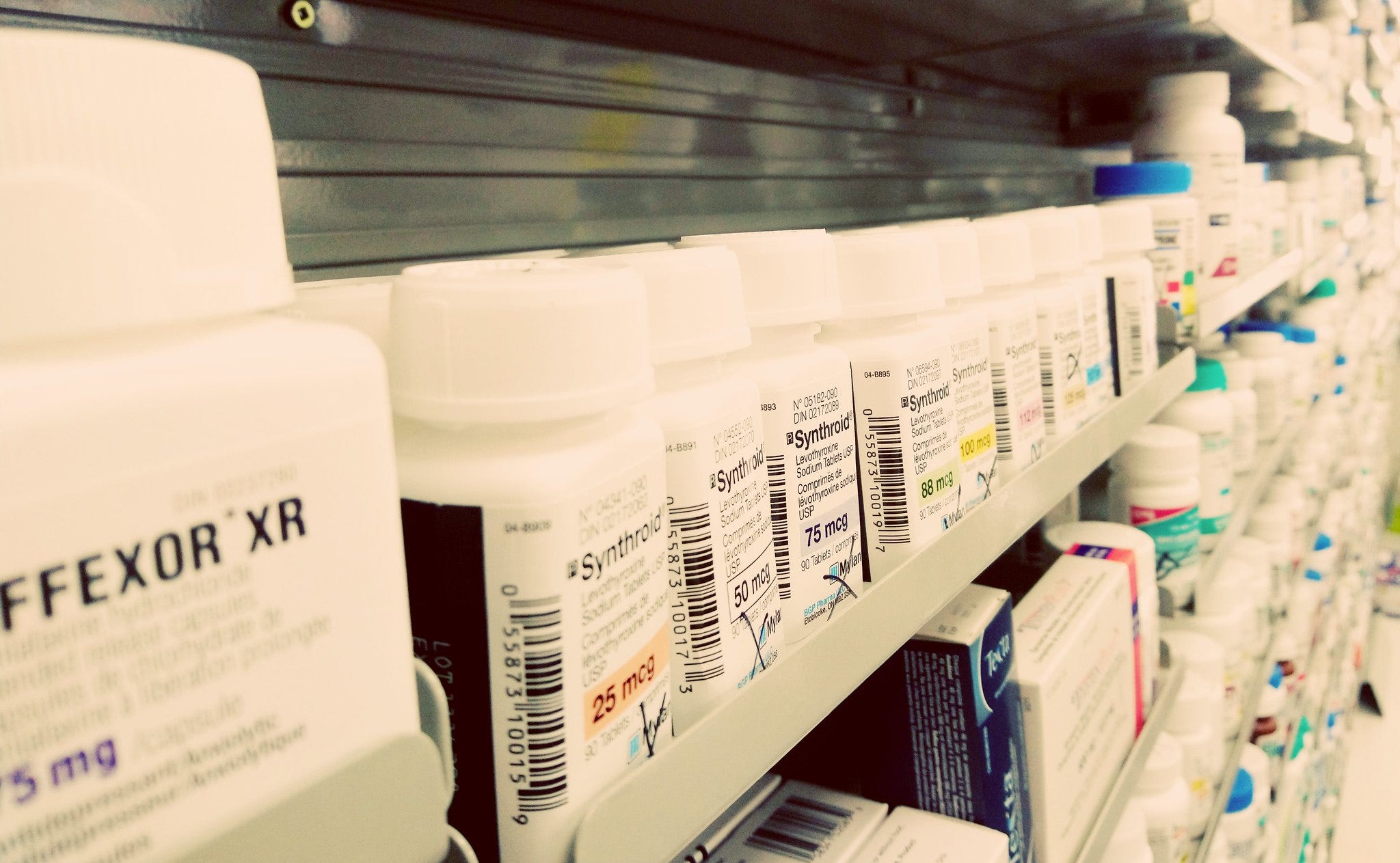
Introduction: The High-Stakes Crisis in Cancer Drug Discovery
Malignancies arising within the digestive system—including colorectal, gastric, liver, and pancreatic cancers—present one of the most formidable challenges in modern medicine. When evaluated collectively, digestive tract tumors account for more newly diagnosed cases and higher annual mortality rates worldwide than cancers originating in any other organ system. While early-stage solid tumors are primarily managed through surgical resection, advanced and metastatic stages rely heavily on systemic chemotherapy. Unfortunately, both primary and acquired drug resistance frequently lead to treatment failure, driving an urgent need for novel therapeutic options.
However, traditional pharmaceutical research and development faces a severe efficiency crisis. Developing a new chemical entity from the bench to the clinic is a notoriously slow, expensive, and high-risk endeavor:
Timeline: It typically takes 10 to 15 years to develop a single new drug and bring it to market.
Attrition Rate: The overall success rate for candidate molecules entering development remains remarkably low, at roughly 2%.
Escalating Costs: Between 2004 and 2012, the median cost of pharmaceutical clinical trials reached $2–3 billion, with total R&D overhead for a single approved drug reaching as much as $13 billion across all development phases.
Faced with diminishing returns on R&D investment, the medical research community is turning to an innovative alternative: Drug Repositioning (or Repurposing). This strategy focuses on identifying novel therapeutic uses for existing, approved compounds outside their original indications. Among the most promising oncology candidates are anthelmintics—a diverse class of antiparasitic medications originally developed to treat intestinal worm infections in livestock and humans—that now show potent anti-cancer activity against aggressive digestive cancers.
Takeaway 1: The Bio-Economic Shift — Bringing $300 Million Solutions to a $3 Billion Problem
Repurposing approved anthelmintics fundamentally alters the financial and operational landscape of oncology drug discovery. Instead of spending over a decade and billions of dollars synthesizing novel compounds from scratch, repurposing leverages molecules whose safety, tolerability, and pharmacokinetic profiles are already characterized in humans and animal models.
Substantial Financial Savings: Bringing a repurposed drug to market is estimated to cost an average of $300 million, representing a dramatic 50–60% cost reduction compared to traditional drug development pipelines.
Accelerated Clinical Translation: Because these agents have already cleared initial Phase I safety trials and FDA approval for parasitic indications, the timeline for launching Phase II and III oncology trials is significantly compressed.
“This results not only in a speed-up of the entire process but also in higher predicted safety as compared to a new drug [...] as most non-cancer drugs have minor or tolerable side effects, repurposing of such compounds in oncology may also elude the detrimental impacts of conventional cancer chemotherapeutics on patients’ quality of life.”
Takeaway 2: Molecular Hijacking — How Parasite Killers Sabotage Tumor Signaling
Anthelmintics do not merely eliminate parasites through physical clearance from the gut; they actively interfere with complex oncogenic signal transduction pathways that drive cancer cell proliferation, survival, and metastasis.
As illustrated by the broad structural and mechanistic taxonomy, anthelmintic drugs span several chemical classes—from benzimidazoles and halogenated salicylanilides to macrocyclic lactones, thiazolides, and quinolines—each using distinct cellular mechanisms to disrupt parasite survival and tumor biology.
Key Anthelmintic Classes and Their Anti-Cancer Targets
Benzimidazoles (e.g., Mebendazole, Albendazole, Flubendazole):
Parasite Target: Block tubulin polymerization, compromising microtubule structure and nutrient transport in helminths.
Oncogenic Targets: Downregulate cyclin B1, cyclin D1, MYC, and COX2; inhibit MAPK and NF-κB pathways; and impair cancer cell migration, adhesion, and invasion.
Halogenated Salicylanilides (e.g., Niclosamide, Rafoxanide, Closantel):
Parasite Target: Uncouple oxidative phosphorylation from electron transport, halting cellular ATP production.
Oncogenic Targets: Block Wnt/β-catenin signaling via Disheveled-2 (Dvl2) degradation, inhibit STAT3 phosphorylation, suppress PI3K/Akt signaling, and directly inhibit the mutant BRAF V600E protein.
Macrocyclic Lactones (e.g., Ivermectin):
Parasite Target: Bind GABA or glutamate-gated chloride channels in nerve and muscle cells, causing hyperpolarization and paralysis.
Oncogenic Targets: Suppress colon cancer stem cell self-renewal by inhibiting the Wnt-TCF pathway (AXIN2, LGR5, ASCL2) and block nuclear YAP1 expression in gastric cancer cells.
Thiazolides (e.g., Nitazoxanide):
Parasite Target: Interfere with the pyruvate: ferredoxin oxidoreductase-dependent electron-transfer reaction.
Oncogenic Targets: Promote β-catenin citrullination and degradation to block Wnt signaling, downregulate c-Myc and mTOR, and suppress mitochondrial complex III activity.
Quinolines (e.g., Pyrvinium Pamoate):
Parasite Target: Impair glucose uptake, inhibit mitochondrial respiration complex 1, and suppress the unfolded protein response (UPR).
Oncogenic Targets: Inhibit Akt phosphorylation, downregulate Wnt signaling via CK1α activation and Pygopus degradation, and selectively starve cancer cells under nutrient deprivation.
Takeaway 3: Real-World Evidence — From Metastatic Remission to “Vaccine-Like” Tumor Cell Death
Preclinical studies and human clinical case observations demonstrate that antiparasitic agents can produce striking anti-tumor outcomes, both as standalone treatments and in synergistic combination regimens.
Case Evidence & Synergy Highlights
Metastatic Remission with Mebendazole: In a clinical case report published by Nygren & Larsson, a patient with refractory metastatic colon cancer experienced a complete remission of lung and lymph node metastases, along with a partial remission of liver metastases, following treatment with Mebendazole.
NSAID Synergism in Colorectal Precancer: In $Apc^{min/+}$ mouse models (a model for familial adenomatous polyposis), combining Mebendazole with the non-steroidal anti-inflammatory drug (NSAID) sulindac produced a marked reduction in both the number and size of intestinal microadenomas by dual-inhibiting the MYC and COX2 pathways, suppressing angiogenesis, and lowering pro-tumorigenic cytokine release.
“Vaccine-Like” Immunogenic Cell Death (ICD): Research on the halogenated salicylanilide Rafoxanide revealed that it potently induces ICD in colorectal cancer cells. Rafoxanide triggers autophagy and promotes the exposure and release of key Damage-Associated Molecular Patterns (DAMPs), including ecto-calreticulin exposure, ATP release, and HMGB1 release. In animal models, immunizing immunocompetent mice with rafoxanide-treated dying tumor cells effectively vaccinated the host, suppressing tumor growth upon subsequent re-challenge with live, syngeneic cancer cells.
Takeaway 4: Metabolic Sabotage — Starving Glucose-Hungry Pancreatic Cancers
Solid tumors with poor blood vessel supply—such as hypovascular pancreatic cancers—exist in harsh, nutrient-deprived microenvironments. To survive low-glucose stress, these tumor cells rely heavily on adaptive survival pathways, specifically activating Akt phosphorylation and triggering the Unfolded Protein Response (UPR) via molecular chaperones like GRP78 and GRP94.
Pyrvinium Pamoate: The Metabolic Trap
The pinworm medication Pyrvinium pamoate (PP) acts as a targeted metabolic trap against nutrient-deprived tumor cells:
Selective Toxicity: In pancreatic tumor cell lines (such as PANC-1), PP is highly cytotoxic under glucose starvation but remains relatively non-toxic in glucose-rich environments.
UPR Suppression: PP suppresses the glucose-deprivation-driven transcriptional activation of essential UPR chaperone genes (GRP78, GRP94, XBP-1, and ATF4) and blocks Akt phosphorylation.
Chemotherapeutic Synergy: While PP monotherapy shows modest overall activity in animal xenografts, its efficacy increases significantly when combined with conventional chemotherapeutics. Combining PP with doxorubicin or 5-fluorouracil (5-FU) suppresses tumor growth in pancreatic and colorectal xenograft models and inhibits liver metastasis formation in vivo.
Takeaway 5: The Bioavailability Bottleneck — Why Dewormers Aren’t Over-the-Counter Cancer Cures
Despite impressive laboratory and preclinical results, significant translational hurdles prevent the immediate off-label use of deworming drugs in routine oncology practice.
Key Translational & Pharmacokinetic Challenges
The Pharmacokinetic Barrier: Anthelmintic drugs were intentionally engineered for poor systemic absorption. Their pharmaceutical design keeps them in the gastrointestinal lumen to clear gut parasites. Achieving effective anti-cancer concentrations in systemic circulation and distant metastatic organs requires much higher oral doses or longer administration schedules, increasing the risk of unexpected toxicities (such as neutropenia observed in clinical trials evaluating Albendazole).
Clinical Trial Realities: Translating in vitro success to human patients has yielded mixed outcomes. Phase I/II clinical trials have faced hurdles such as low patient recruitment (e.g., a terminated Niclosamide trial,
NCT02687009or a lack of tangible efficacy in advanced human disease stages (e.g., a terminated Phase IIa Mebendazole trial in advanced gastrointestinal cancer,NCT03628079).Toxicity Profile Gaps: Many preclinical screens evaluate anthelmintics exclusively on isolated cancer cell lines. Future studies must systematically assess potential long-term toxicity on non-cancerous cell populations, including non-transformed epithelial cells, immune cells, and tumor stroma.
To overcome these barriers, pharmaceutical scientists are developing advanced formulation technologies—such as nanocrystals and lipid-based drug delivery systems—to increase solubility, oral absorption, and systemic blood concentrations of repurposed anthelmintics without causing severe systemic adverse events.
Conclusion: The Road Ahead
Repurposing anthelmintic agents represents a promising, highly cost-effective pipeline for expanding the medical arsenal against aggressive digestive cancers. By targeting core oncogenic pathways like Wnt/β-catenin and STAT3, inducing ER stress, and sabotaging tumor metabolism under nutrient starvation, these former antiparasitic medicines show robust anti-neoplastic potential. However, overcoming pharmacokinetic absorption limits, refining novel delivery formulations, and demonstrating clear clinical efficacy in well-structured human trials remain critical steps before these drugs can safely transition into routine oncological care.
A Thought to Ponder: As advanced nanomedicine and lipid-based formulations continue to bridge the historical gap in oral drug absorption, could repurposed antiparasitics become standard components of combination chemotherapy in the near future?
Laudisi, F., Marônek, M., Di Grazia, A., Monteleone, G., & Stolfi, C. (2020). Repositioning of anthelmintic drugs for the treatment of cancers of the digestive system. International Journal of Molecular Sciences, 21(14), Article 4957.