
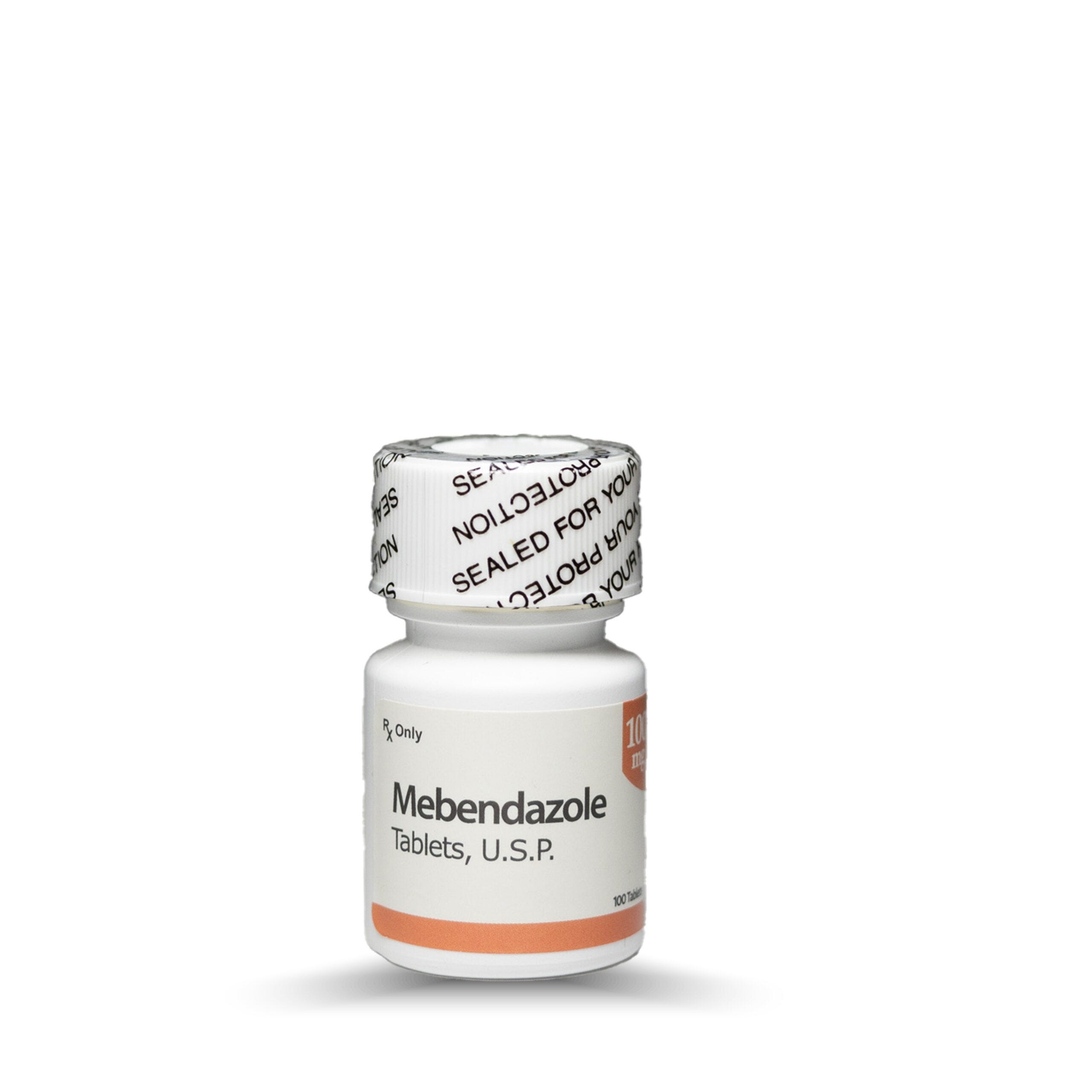
The Hidden Hero: A Pharmacy Shelf Disruptor
Science often finds its most profound breakthroughs in the most mundane places. Imagine a common, low-cost medication—one typically prescribed to treat childhood pinworms or hookworms—holding the potential to combat one of the world’s most aggressive malignancies. This is the intriguing reality of drug repurposing, a strategy that could disrupt the high-cost, high-stakes world of oncology.
The necessity for such disruption is clear. Gastric cancer remains a global titan of mortality, ranking as the second leading cause of cancer-related deaths worldwide. For many, the diagnosis is a late-stage revelation; two-thirds of patients already have locally advanced or metastatic disease by their first consultation. With a five-year survival rate hovering at a dismal 20%, the medical community is desperate for new weapons, particularly to treat “malignant ascites”—a condition where fluid teeming with cancer cells accumulates in the abdomen, signaling a highly resistant and advanced stage of the disease.
Fast-Tracking the Frontline: The Logic of Repurposing
Mebendazole (MBZ) is an FDA-approved anthelmintic that has been a staple in medicine for decades. While its primary role involves clearing the gut of parasites like roundworms and hookworms, researchers are now pivoting its use toward human malignant ascites derived from stomach cancer.
The logic of repurposing is both an economic and clinical masterstroke. Developing a novel oncology drug from scratch can cost billions and span decades. MBZ, however, is a “known quantity.” It is orally available, exceptionally low-cost, and carries a proven safety profile. By using a drug that has already cleared the rigorous hurdles of human safety testing, researchers can skip years of early-phase trials and fast-track treatment to patients in need.
“There is an urgent need to introduce new therapeutic agents in the management of peritoneal carcinomatosis.”
The Potency Gap: Outperforming the Gold Standards
In a head-to-head laboratory showdown, the data revealed a shocking “potency gap” between this humble dewormer and the titans of clinical chemotherapy. To measure efficacy, researchers look at the IC50—the concentration of a drug required to kill 50% of cancer cells. In this metric, a lower number signifies a more powerful punch.
The results from the study were staggering. In the aggressive ACP-02 (Diffuse type) gastric cancer line, MBZ achieved an IC50 of just 0.39 μM. When compared to the clinical “gold standards,” the disparity was undeniable:
5-Fluorouracil (5-FU): 19.71 μM
Cisplatin: 15.82 μM
Oxaliplatin: 8.85 μM
To put this in perspective, MBZ was nearly 50 times more potent than 5-FU in these specific cells. Even in the ACP-03 (Intestinal type) line, which showed more resistance, MBZ maintained a potent IC50 of 1.25 μM, still outclassing traditional regimens. Furthermore, the study uncovered a powerful synergy: when MBZ was combined with 5-FU, the IC50 dropped to 0.38 μM, suggesting that MBZ doesn’t just work alone—it makes existing treatments better.
A Biological Siege: Dismantling the Cancer Skeleton
MBZ’s effectiveness stems from its ability to launch a biological siege on the cancer cell’s internal architecture. Much like how it kills parasites by disrupting their gut lining, MBZ attacks the “skeleton” of the cancer cell—specifically its microtubule structure.
Microtubules are essential scaffolding; without them, a cell cannot maintain its shape, transport nutrients, or successfully divide. By preventing the tubulin protein from polymerizing, MBZ essentially causes the cell’s internal framework to collapse. This mechanism is remarkably similar to high-end, expensive chemotherapy drugs like Paclitaxel.
The visual evidence of this collapse is striking. In immunofluorescence staining (as seen in [SOURCE_IMAGE_1]), vehicle-treated control cells (Image A) show organized, discrete networks of microtubules. In contrast, the MBZ-treated cells (Images D, E, and F) show a total microtubular disarray, with the internal architecture replaced by diffuse, disorganized staining. The cell’s skeleton isn’t just damaged; it is dismantled.
Cutting Off the Escape Route: Thwarting Metastasis
For patients with advanced gastric cancer, the primary cause of death is not the initial tumor, but “peritoneal metastasis”—the cancer’s ability to migrate and invade other tissues. MBZ appears to serve as a roadblock for this spread.
A key molecular breakthrough in this research involves MMP-2 (Matrix Metalloproteinase 2). Think of MMP-2 as a “molecular machete” that cancer cells use to hack through the basement membrane and extracellular matrix, clearing a path to invade surrounding organs. The study found that MBZ significantly reduced the activity of this enzyme, effectively dulling the cancer’s blade.
“MBZ was effective in reducing the activity of MMP-2... suggesting its action in inhibiting the invasion of cancer cells.”
By inhibiting this “machete,” MBZ potentially keeps the cancer localized, preventing the very spread that makes advanced gastric cancer so lethal.
Breaking the Toxicity Status Quo
Perhaps the most compelling argument for MBZ is the “win” for patient safety and global accessibility. Traditional chemotherapy regimens like 5-FU and cisplatin are notorious for their toxic toll, often causing myelosuppression (the suppression of bone marrow) and severe gastrointestinal distress.
MBZ offers a starkly different profile. It is a low-cost, orally available medication with a “remarkable safety profile” and “reduced toxicity to normal cells.” This suggests its potential as an adjuvant therapy—a secondary agent that can be added to standard treatments to increase their kill rate without adding to the patient’s toxic burden. In a world where cancer care is increasingly defined by multi-million dollar price tags, a treatment that is both safe and affordable is the ultimate innovation.
Conclusion: The Path to the Clinic
These findings offer a beacon of hope for the management of advanced gastric cancer. By killing malignant cells with high potency, disrupting their structural integrity, and halting their spread through enzyme inhibition, MBZ has proven itself a formidable candidate for the clinical stage.
However, a journalistic dose of caution remains: these results were observed in vitro. While the laboratory data is overwhelming, “clinical trials must be performed” to confirm if this dewormer can replicate its success in human patients.
As we look toward the future of oncology, we must ask ourselves a critical question: In our search for the next multi-billion dollar breakthrough, have we been overlooking the powerful, life-saving solutions already sitting on our pharmacy shelves?