
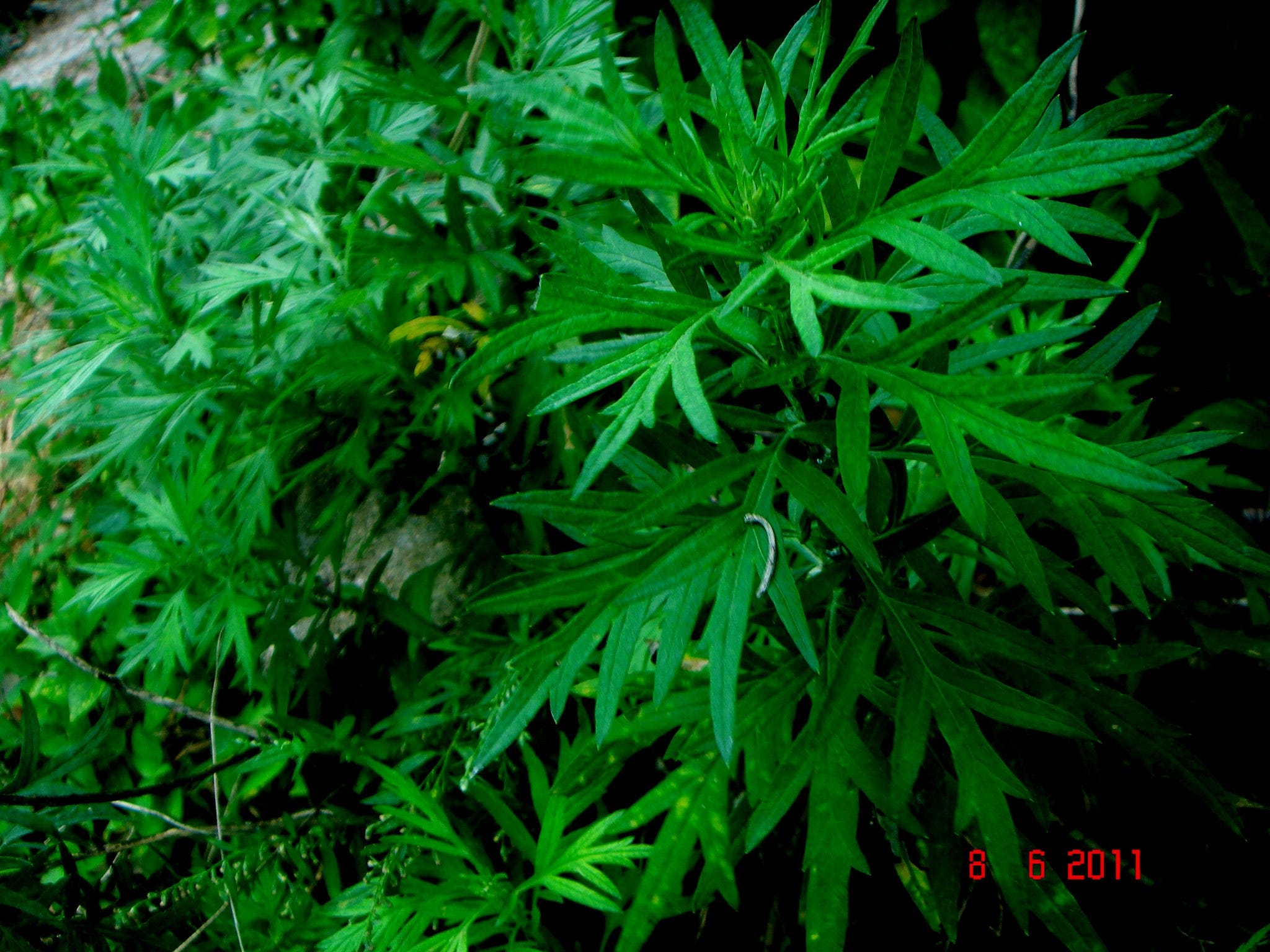
Colorectal cancer (CRC) is one of the most thoroughly investigated malignancies regarding the antitumor efficacy of artemisinin derivatives. In National Cancer Institute (NCI) 55/60 cell line screens, colon cancer lines showed high sensitivity to artesunate (ART), with a mean GI50 of about 2.13 µM. Both preclinical models and human clinical trials highlight the potential of artemisinins—particularly artesunate and dihydroartemisinin (DHA)—as promising agents for colorectal cancer therapy.
1. Preclinical Mechanisms & Molecular Targets in CRC
Inhibition of the Wnt/β-Catenin Pathway: Hyperactivation of the Wnt/β-catenin signaling pathway plays a central role in colorectal carcinogenesis. Artesunate suppresses hyperactive Wnt/β-catenin signaling, downregulates β-catenin, and increases E-cadherin expression, thereby restoring cell-cell adhesion and inhibiting tumor cell proliferation and invasion.
c-MYC Degradation & ER Stress: Dihydroartemisinin accelerates degradation of the c-MYC oncoprotein (overexpressed in colorectal lines such as HCT116) and triggers iron-dependent endoplasmic reticulum (ER) stress, leading to selective apoptotic cell death.
Suppression of Primary Growth & Hepatic Metastases: In animal xenograft models carrying human colorectal cancer cells, artesunate displays independent antitumor activity, significantly reducing primary tumor volume and suppressing the development of secondary liver (hepatic) metastases.
2. Clinical Evidence from Preoperative Human Trials
Randomized, Placebo-Controlled Pilot Trial (Krishna et al., 2015): A single-center, double-blind, randomized pilot study evaluated oral artesunate in 20 protocol-compliant patients with Stage I–III CRC undergoing curative surgical resection. Patients received 200 mg of oral artesunate daily for 14 days preoperatively or a matching placebo.
Anti-Proliferative Effect (Ki67): Oral artesunate significantly reduced Ki67 staining—a marker of tumor cell proliferation—in both tumor epithelial cells and surrounding fibroblasts, with an estimated Bayesian probability of treatment effect between 0.89 and 0.97.
Tumor Marker Reduction (CEA): Preoperative artesunate monotherapy produced a dramatic ~75% drop in circulating carcinoembryonic antigen (CEA) levels after 2 weeks of treatment in a treated patient.
Long-Term Recurrence-Free Survival: Over a median follow-up of 42 months, only 1 patient in the artesunate group developed recurrent CRC, compared to 6 patients in the placebo group. The estimated 3-year recurrence-free survival was 89–91% in artesunate recipients versus 50–57% in placebo control subjects (hazard ratio = 0.16).
Safety & Tolerability: Artesunate was generally well tolerated. Two low-weight patients (~50 kg, receiving ~4 mg/kg/day) developed reversible neutropenia, leading researchers to recommend capping daily doses below 4 mg/kg/day in future oncology trials.
3. Ongoing Clinical Evaluation & Chemosensitization
Follow-Up Phase 2 Trials: Building on the pilot trial, researchers initiated larger Phase 2 randomized clinical trials in Stage II/III colorectal cancer patients to evaluate 2-year and 5-year recurrence-free survival after preoperative artesunate.
Combination Strategies: Artesunate shows additive and chemosensitizing effects when combined with standard colorectal chemotherapeutic agents such as oxaliplatin.
References
Cheng, C., Ho, W. E., Guan, S. P., Kong, L. R., Hafiz, W., Goh, F. Y., Leung, B. P., & Wong, W. S. F. (2011). Antimalarial drug artesunate attenuates experimental allergic asthma via inhibition of the phosphoinositide 3-kinase/Akt pathway. PLOS ONE, 6(6), Article e20932.
[Source: pone.0020932.pdf]Crespo-Ortiz, M. P., & Wei, M. Q. (2012). Antitumor activity of artemisinin and its derivatives: From a well-known antimalarial agent to a potential anticancer drug. Journal of Biomedicine and Biotechnology, 2012, Article 247597. https://doi.org/10.1155/2012/247597
[Source: BioMed Research International - 2011 - Crespo-Ortiz...pdf]Krishna, S., Bustamante, L., Haynes, R. K., & Staines, H. M. (2008). Artemisinins: Their growing importance in medicine. Trends in Pharmacological Sciences, 29(10), 520–527.
[Source: PIIS0165614708001648.pdf]Krishna, S., Ganapathi, S., Chis Ster, I., Saeed, M. E. M., Cowan, M., Finlayson, C., Kovacsevics, H., Jansen, H., Kremsner, P. G., Efferth, T., & Kumar, D. (2015). A randomized, double blind, placebo-controlled pilot study of oral artesunate therapy for colorectal cancer. EBioMedicine, 2(1), 82–90. https://doi.org/10.1016/j.ebiom.2014.11.010
[Source: PIIS2352396414000346.pdf]Li, Y. (2012). Qinghaosu (artemisinin): Chemistry and pharmacology. Acta Pharmacologica Sinica, 33(9), 1141–1146.
[Source: aps2012104a.pdf]Li, Z., Li, Q., Wu, J., Wang, M., & Yu, J. (2016). Artemisinin and its derivatives as a repurposing anticancer agent: What else do we need to do? Molecules, 21(10), Article 1331.
[Source: molecules-21-01331-v2.pdf]Liu, L., et al. (2015). Antitumor effect of artesunate on human esophageal carcinoma cells in vitro and in vivo. Molecular Medicine Reports, 12(1), 1465–1471.
[Source: mmr_12_1_1465_PDF.pdf]Liu, T., Liu, Q.-L., et al. (2013). Targeted cytotoxicity of artesunate towards retinoblastoma cells via CD71-mediated endocytosis. Oncology Reports, 30(3), 1473–1480.
[Source: or_30_3_1473_PDF.pdf]Slezakova, S., & Ruda-Kucerova, J. (2017). Anticancer activity of artemisinin and its derivatives. Anticancer Research, 37(11), 5995–6003. https://doi.org/10.21873/anticanres.12046
[Source: 5995.full.pdf]