
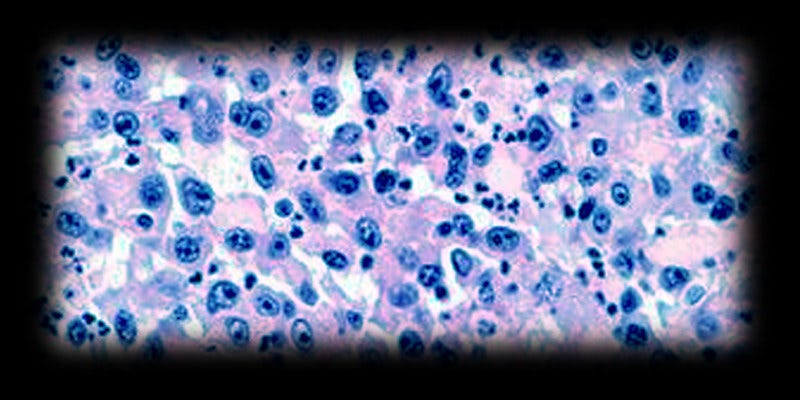
Preclinical research on repurposed antiparasitic agents—including benzimidazoles (fenbendazole, mebendazole, albendazole, flubendazole), ivermectin, and niclosamide—demonstrates broad cytotoxic, metabolic, and anti-metastatic activity across cell culture (in vitro) and animal xenograft (in vivo) cancer models.
1. Core Mechanisms Identified in Preclinical Models
Microtubule Disruption & Cell Cycle Arrest: Benzimidazoles bind specifically to β-tubulin at the colchicine-binding site, inhibiting tubulin polymerization, causing G2/M cell cycle arrest, and triggering mitotic catastrophe across lung, cervical, melanoma, hepatocellular, and brain cancer models.
Metabolic Starvation (Warburg Effect Suppression): Fenbendazole and mebendazole downregulate key glucose transporters (GLUT1 and GLUT4) and hexokinase II (HKII), blocking aerobic glycolysis and severely depleting cellular ATP in glucose-dependent tumors.
Reactivation of Tumor Suppressor Pathways (p53 / p21 Axis): Benzimidazoles downregulate MDM2 and MDMX (the negative regulators of p53), driving p53 stabilization and elevating p21 to induce cell-cycle arrest and apoptosis even in MDMX-overexpressing or p53-mutant lines.
ROS Generation, ER Stress & Non-Apoptotic Cell Death: Fenbendazole induces intracellular reactive oxygen species (ROS) accumulation, leading to loss of mitochondrial membrane potential, proteasomal dysfunction, endoplasmic reticulum (ER) stress, caspase activation, gasdermin-mediated pyroptosis, and lipid peroxidation (ferroptosis).
Multi-Pathway Cascades (Ivermectin & Niclosamide):
Ivermectin suppresses master oncogenic drivers, including Akt/mTOR, Wnt/β-catenin, PAK1, YAP1, and KPNB1, while EGFR inhibition downregulates P-glycoprotein (P-gp) efflux pumps and drives P2X7-mediated immunogenic cell death.
Niclosamide acts as a potent mitochondrial uncoupling protonophore while simultaneously suppressing Wnt/β-catenin, STAT3, Notch, and mTORC1 signaling.
2. Cancer Subtypes Investigated in Preclinical Studies
Non-Small Cell Lung Cancer (NSCLC): Fenbendazole and mebendazole inhibit proteasome function, induce ER stress-dependent apoptosis, and significantly suppress tumor growth in human xenograft mouse models.
Ovarian Cancer & Chemoresistance: Fenbendazole and ivermectin suppress cell proliferation in both chemosensitive and chemoresistant ovarian cancer cell lines, restoring sensitivity to agents like paclitaxel or pitavastatin.
Primary Brain Tumors (GBM, Medulloblastoma, DIPG): Mebendazole shows strong therapeutic efficacy in animal models of glioblastoma and medulloblastoma because it is highly lipophilic and can cross the blood-brain barrier.
Hepatocellular Carcinoma & Cervical Cancer: Fenbendazole selectively halts actively dividing cells via p21-mediated arrest and activates the MEK3/6-p38-MAPK stress signaling pathway to block invasion and migration.
Leukemia, Lymphoma & Melanoma: Albendazole, flubendazole, and fenbendazole induce mitochondrial depolarization, apoptosis, and loss of viability across hematologic and melanoma cell lines.
3. In Vitro vs. In Vivo Translation & Bioavailability Barriers
While in vitro cell-line destruction is consistently reported across studies, animal model outcomes reveal notable challenges and heterogeneity:
Inconsistent In Vivo Translation: Strong cell-culture cytotoxicity does not always guarantee in vivo tumor control. For instance, in a mouse EL-4 lymphoma model, fenbendazole induced ROS, mitochondrial damage, and G2/M arrest in vitro but showed no significant anticancer effect in vivo.
Poor Aqueous Solubility & Absorption: Native fenbendazole, mebendazole, and niclosamide are highly hydrophobic and poorly absorbed orally, making it difficult to achieve active cytotoxic concentrations in animal blood plasma or tumor tissues without specialized delivery methods.
Nanocarriers & Delivery Optimization: To bridge this translation gap, preclinical researchers use advanced delivery platforms:
PLGA Nanoparticles: Encapsulating fenbendazole into PLGA nanocarriers optimizes intratumoral drug delivery and yields significantly improved antitumor efficacy in ovarian cancer xenografts and patient-derived xenograft (PDX) models.
Polymeric Micelles (mPEG-PCL & Soluplus®): Co-encapsulating fenbendazole with rapamycin in polymeric micelles produces potent synergistic tumor suppression by simultaneously blocking tubulin dynamics and mTOR survival pathways.
Cyclodextrin Inclusion Complexes: Methyl-β-cyclodextrin host-guest complexes dramatically elevate fenbendazole’s dissolution rate and bio-accessibility in biological fluids.
4. Preclinical Synergistic Combinations
Ivermectin + Chemotherapy: Combining ivermectin with paclitaxel, gemcitabine, or sorafenib blocks drug-efflux pumps (P-gp downregulation) and enhances apoptotic sensitivity in resistant tumor models.
Flubendazole + Cytotoxic Agents: Flubendazole synergistically enhances the cytotoxicity of 5-fluorouracil (5-FU), doxorubicin, vinblastine, and vincristine in breast cancer and leukemia lines.
Sources:
1. Peer-Reviewed Journal Article
Armando, R. G., et al. (2020). Drug repositioning in oncology: Benzimidazole derivatives. International Journal of Oncology, 56(3), 651–684.
2. Online Evidence Guide (Fenbendazole and Ivermectin for Cancer: Real Stories, Science & Protocols (2025 Guide))
OneDayMD Editorial Team. (2026, September). Fenbendazole and ivermectin for cancer: Real stories, science & protocols (2025 guide) (F. Yap, Med. Rev.). One Day MD’s Newsletter.